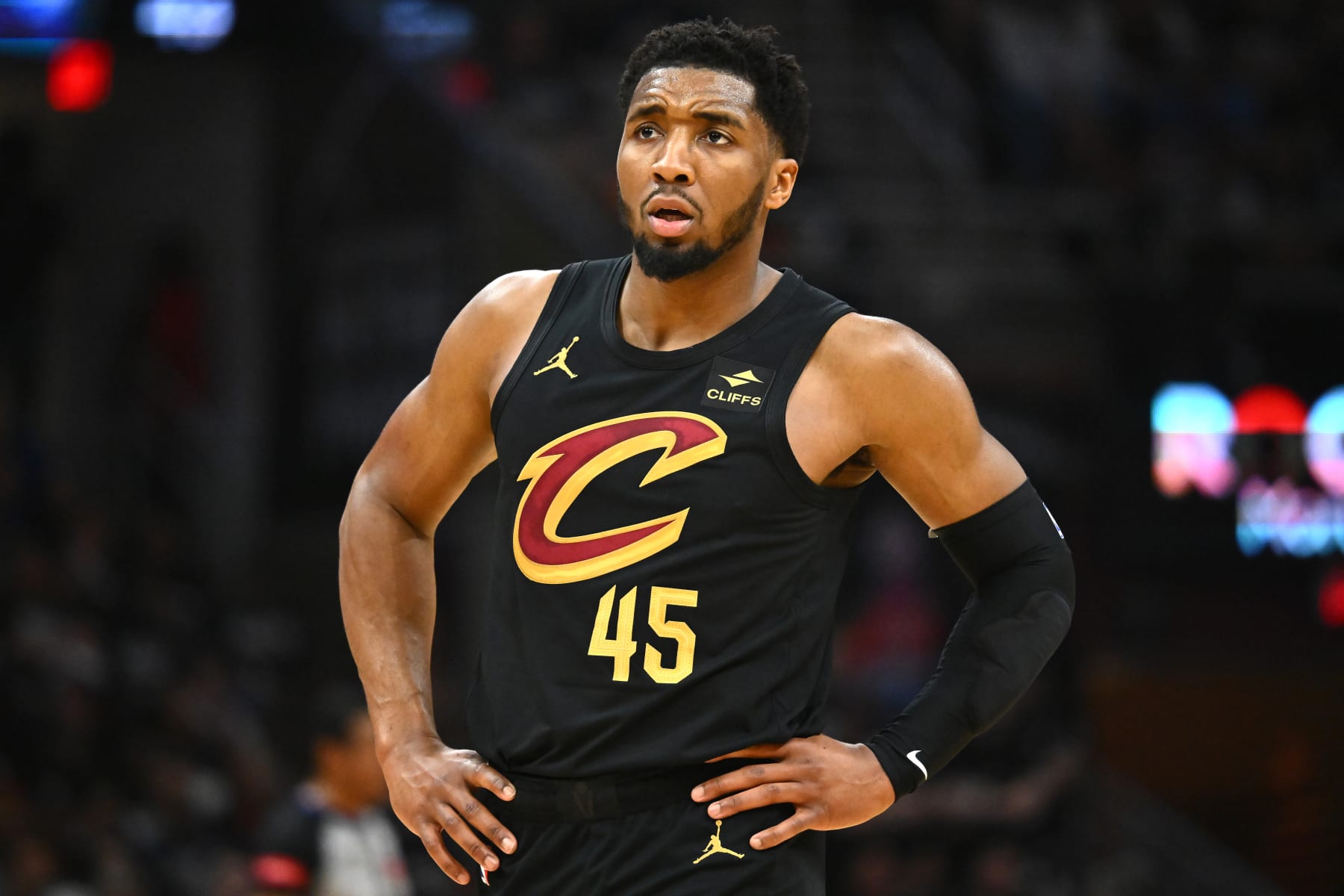
The Cleveland Cavaliers were within reach of closing out their first-round series, but a chaotic final stretch in Game 6 flipped the script. A late turnover opened the door for RJ Barrett, whose high-bouncing three-pointer dropped at the buzzer in overtime to hand the Toronto Raptors a 112–110 win.
Cleveland still had 1.2 seconds to respond, but the final play never materialized as intended. Instead of a clean look for Donovan Mitchell or Max Strus, the possession unraveled under defensive pressure, ending with Evan Mobley taking a rushed attempt that came up short.
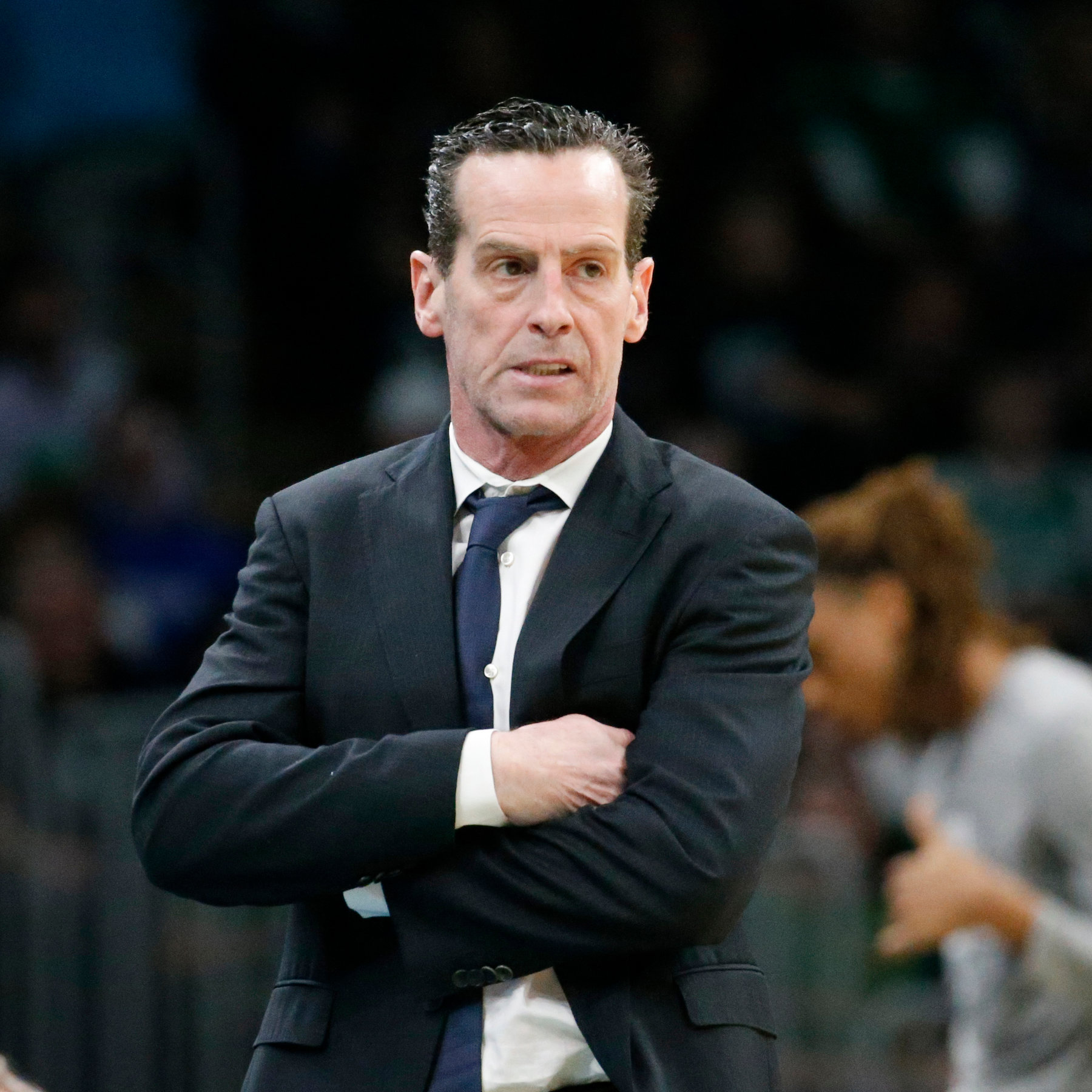
Head coach Kenny Atkinson addressed the sequence afterward, pointing to a breakdown in execution rather than design.
According to Atkinson, the play was structured to free Mitchell off a curl screen, with multiple reads built into the action. However, Toronto’s defense disrupted the primary option and limited the secondary looks, forcing a quick decision on the inbound. The result was a pass to Mobley—not the first option, but not entirely off-script either.
Atkinson acknowledged the shot quality as serviceable, though far from ideal given the circumstances. Mobley had delivered offensively throughout the night, finishing with 26 points and knocking down three triples, but perimeter shooting isn’t typically his strength. Over the regular season, he hovered below 30 percent from beyond the arc, making him a less reliable choice in a final-shot scenario.
The sequence also raised tactical questions. With James Harden handling inbound duties, Cleveland removed one of its most capable shot creators from the play. In a situation with barely a second remaining, the inbounder has no realistic chance to receive the ball back, effectively limiting the offense to four options. A different setup—perhaps involving Dennis Schröder as the inbounder—could have preserved Harden as a scoring threat.
In the end, the Cavaliers generated a look, but not the one they needed. What was drawn up as a multi-option action collapsed under pressure, leaving Cleveland with a rushed attempt and a missed opportunity to avoid a decisive Game 7.
For Atkinson, the takeaway was measured. The Cavaliers executed well in stretches—rebounding, creating quality looks, and competing late—but in playoff basketball, final possessions often define outcomes. Game 6 was a clear example: one defensive lapse, one turnover, and one imperfect final play proved costly.