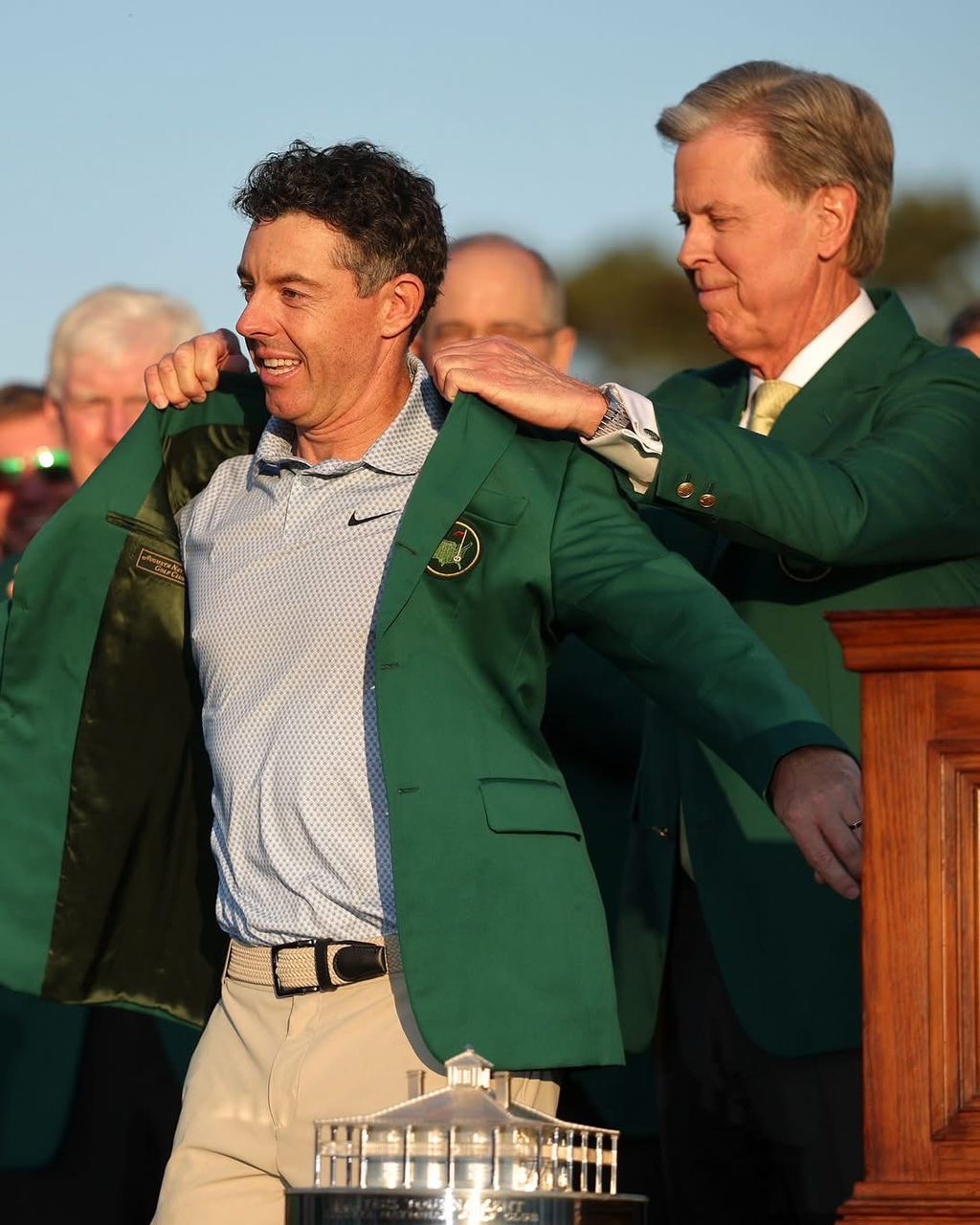
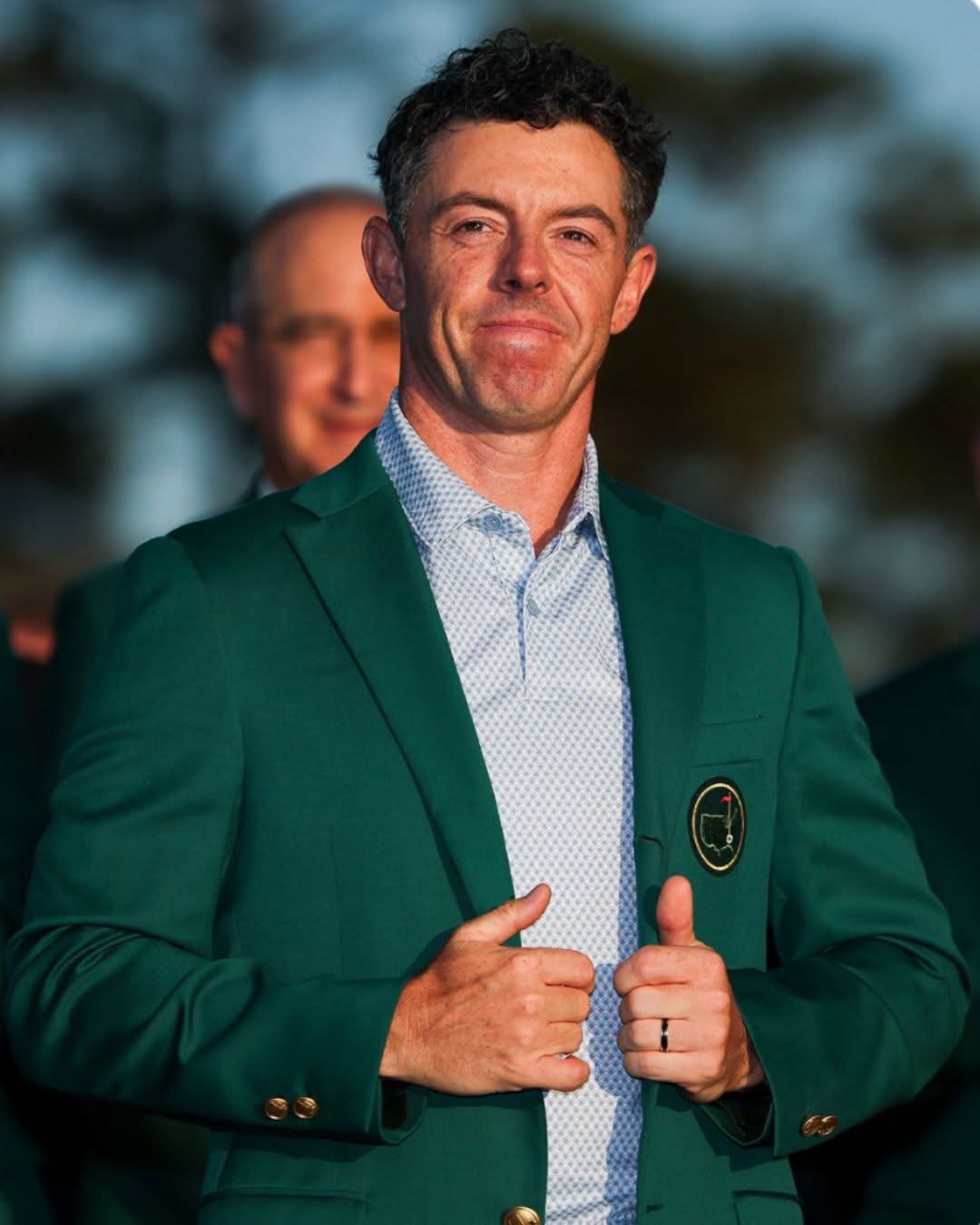
In a moment that should have been defined purely by celebration, Rory McIlroy instead sparked widespread discussion across the golf world after hinting at concerns about his long-term future—just hours after securing his second Masters title at The Masters Tournament.
A Victory Overshadowed by Uncertainty
McIlroy’s victory at Augusta National marked a significant milestone in an already illustrious career. Winning the Masters twice places him in elite company and reinforces his status as one of the defining golfers of his generation. Yet, rather than focusing solely on the achievement, attention quickly shifted to his post-round remarks.
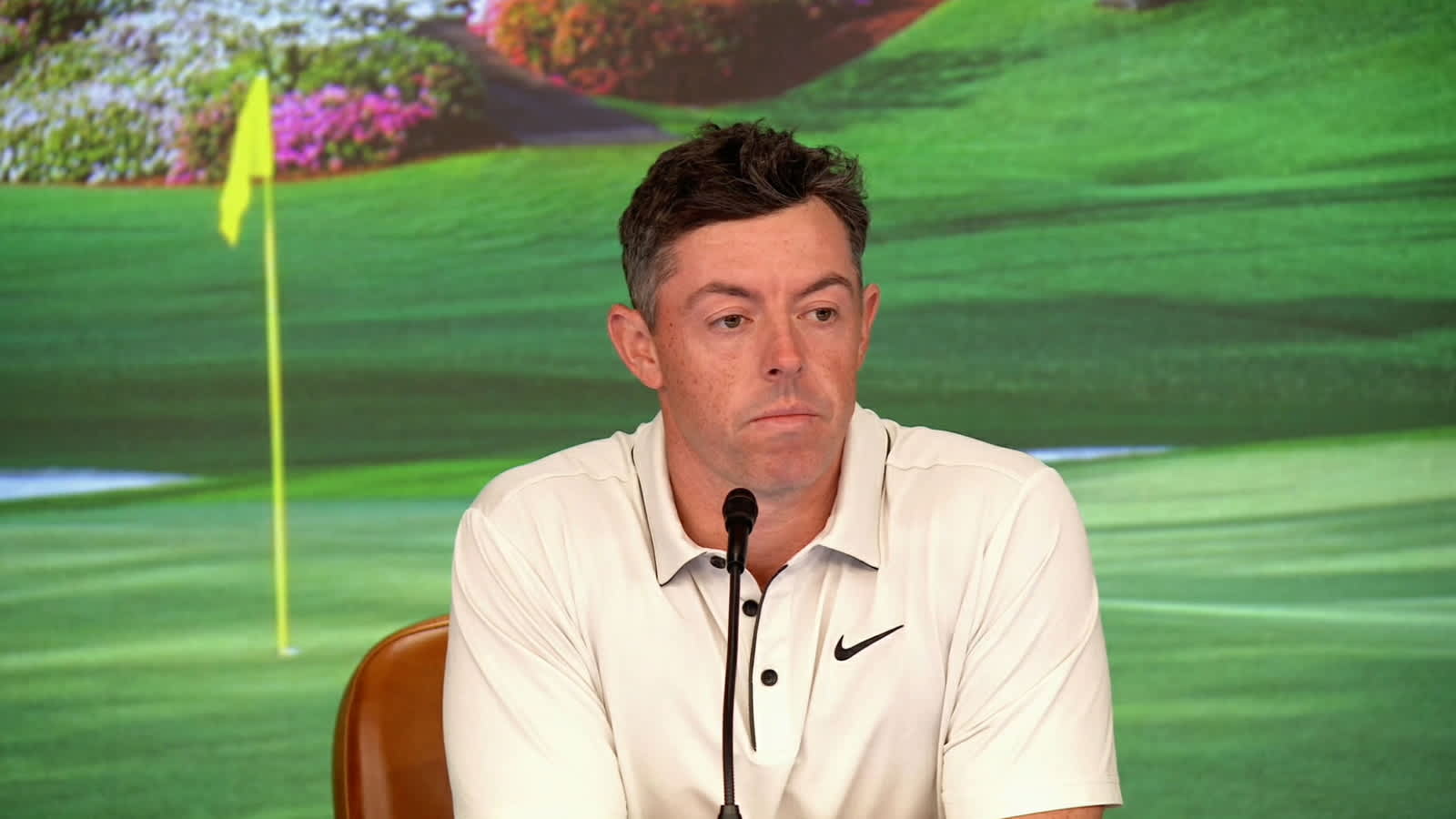
During media interviews, McIlroy acknowledged that he has begun thinking more seriously about his “retirement plan,” a statement that caught fans and analysts off guard given his continued competitiveness at the highest level.
Reading Between the Lines
While McIlroy did not announce any immediate plans to step away from the sport, his comments suggested a broader reflection on longevity, physical demands, and life beyond professional golf. At 30-something, he remains well within the typical competitive window for elite golfers, many of whom perform at a high level into their 40s.
However, modern golf has evolved into an increasingly demanding environment—physically, mentally, and commercially. McIlroy has been at the center of the sport for over a decade, navigating not only competition but also media scrutiny, global travel, and the shifting landscape of professional tours.
Timing Fuels Speculation
The timing of these remarks—coming immediately after a major championship victory—amplified their impact. Traditionally, such moments are reserved for reflection on the win itself, future goals, or legacy-building. Instead, McIlroy’s comments introduced an unexpected narrative: that even at the peak of success, questions about the end of the journey are already present.
This contrast between triumph and contemplation has led to speculation about burnout, changing priorities, or a desire to redefine success beyond trophies.
Perspective from the Golf World
Reactions from fellow players and commentators have been mixed. Some interpret McIlroy’s comments as a sign of maturity and long-term planning, while others view them as surprising given his current form.
It is not uncommon for elite athletes to begin considering retirement earlier than fans expect. The physical wear and mental intensity of sustained excellence often accelerate such التفكير, even when outward performance remains strong.
What Comes Next?
For now, there is no indication that McIlroy plans to step away anytime soon. His recent Masters win demonstrates that he remains fully capable of competing—and winning—at the highest level.
More likely, his remarks reflect a broader awareness of career trajectory rather than an imminent decision. Athletes increasingly approach their careers with a long-term mindset, balancing peak performance with health, family, and post-career opportunities.
Conclusion
Rory McIlroy’s second Masters victory should stand as a defining achievement in his career. Yet, his candid reflections on retirement have added a layer of intrigue to his legacy.
Rather than signaling an ending, these comments may mark a transition in perspective—from chasing titles to shaping a life beyond the fairways. For now, the golf world will continue to watch closely, not just for his performances, but for clues about what comes next.