Greg Norman has delivered a brutally honest assessment of LIV Golf’s uncertain future, admitting that he would rather see the controversial league come to an end than watch it slowly fade away.
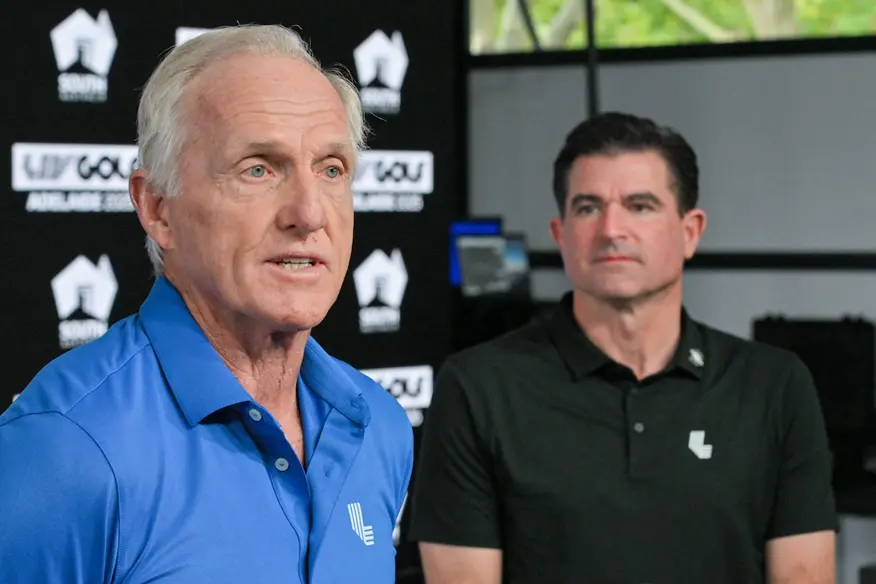
The Australian, who played a leading role in launching LIV Golf and served as its chief executive, spoke candidly about the league’s struggles following the conclusion of its 2026 season in Indianapolis.
“I’m sad, disappointed, gutted to be honest,” Norman said in an interview with Alan Shipnuck for Skratch. “I hate to see it wither away. I would rather just see it end.”
Norman’s comments come at a crucial moment for LIV Golf, with the league facing a dramatically different future after Saudi Arabia’s Public Investment Fund decided to withdraw its backing at the end of 2026.
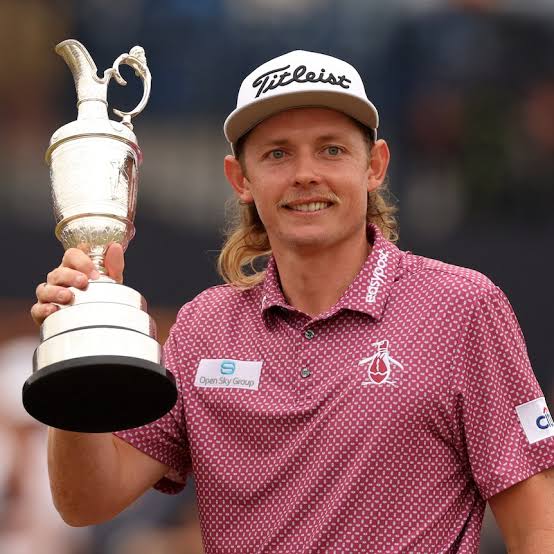
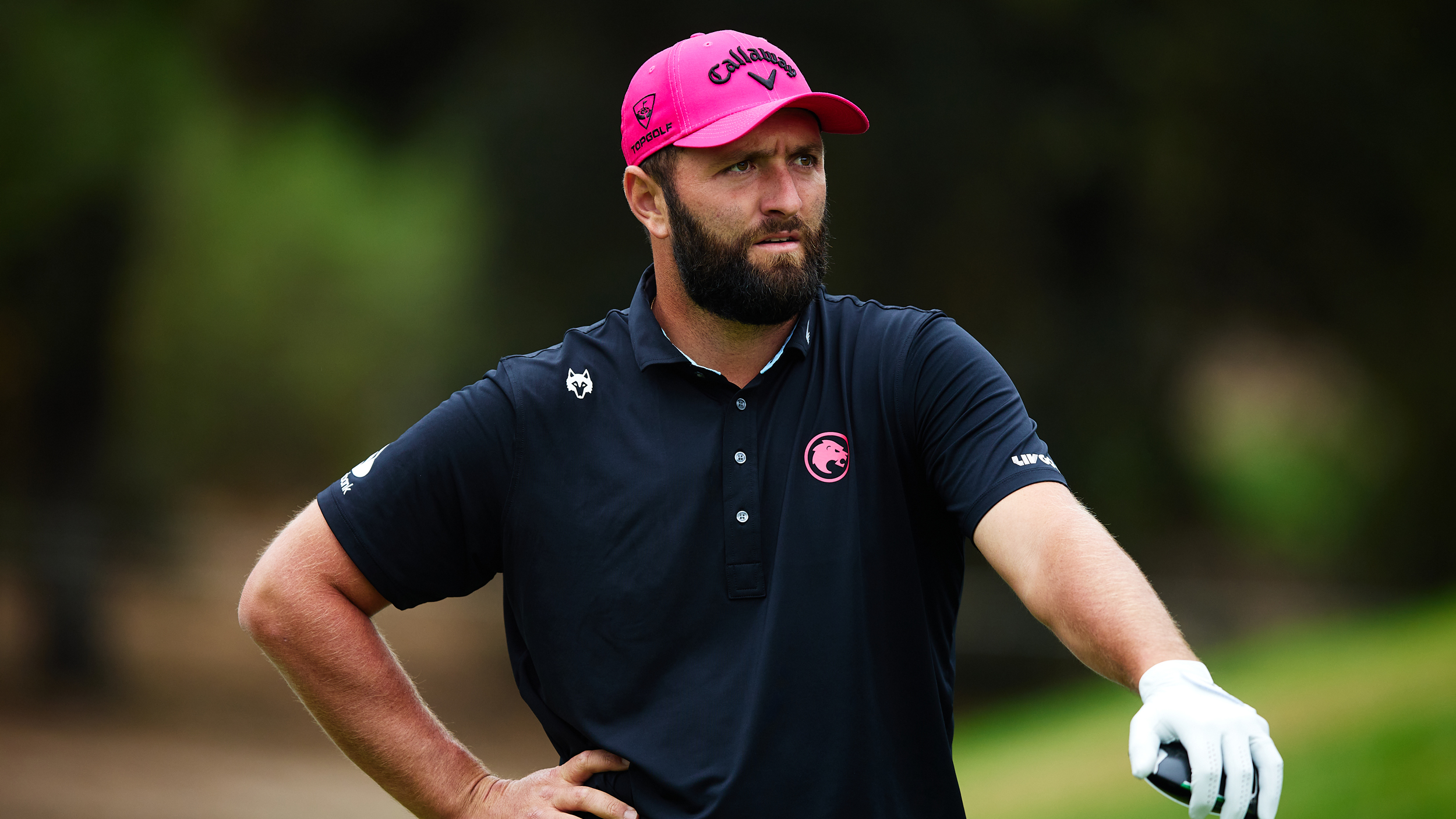
The former world No. 1 was one of the central figures behind LIV’s rise. He helped establish the relationship with the PIF and played a major role in attracting some of golf’s biggest names away from the PGA Tour, including Bryson DeChambeau and Jon Rahm.
However, Norman left his position as LIV’s chief executive nearly two years ago, with Scott O’Neil taking over the role.
Since then, Norman has largely watched from the sidelines as LIV’s future has become increasingly uncertain.
The league’s 2026 campaign ended in Indianapolis on Sunday, marking the conclusion of an era that transformed professional golf. LIV now faces the challenge of rebuilding itself without the enormous financial backing that allowed it to compete aggressively with the PGA Tour.
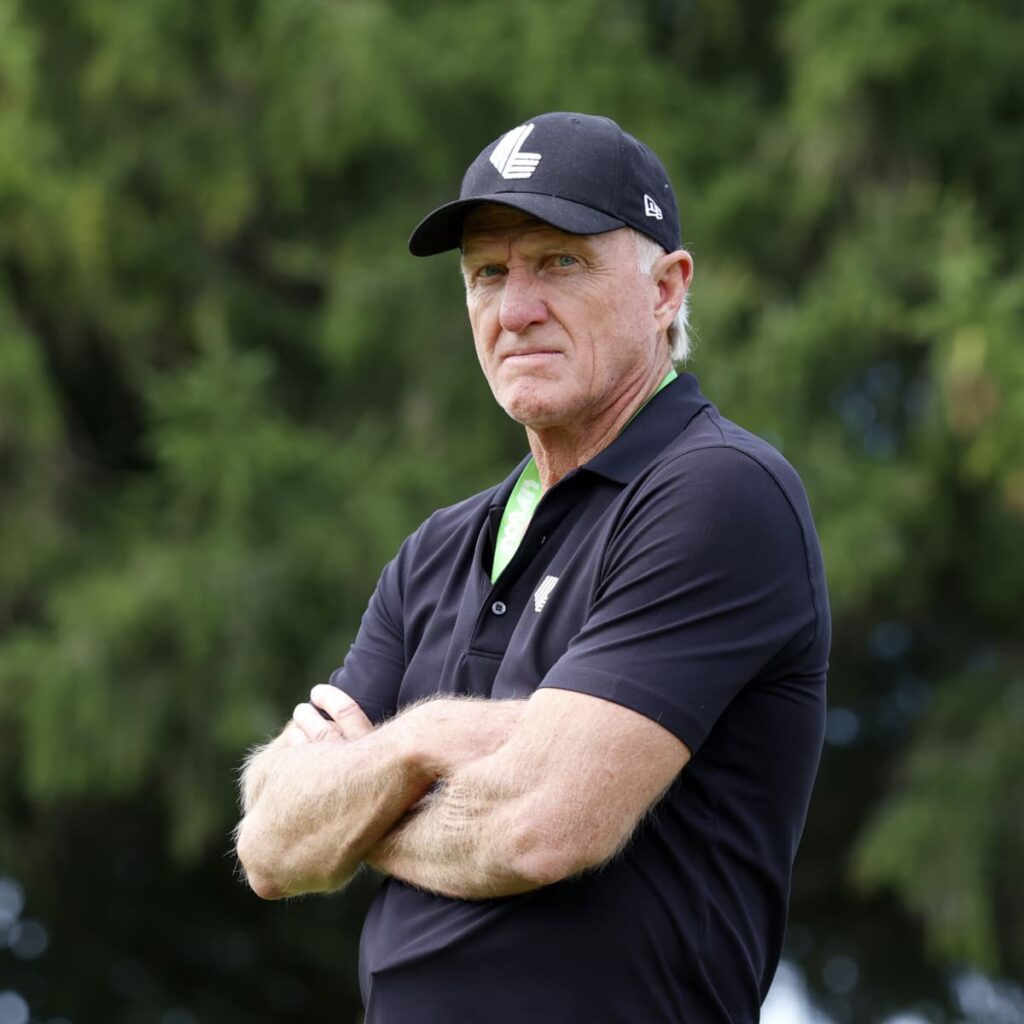
O’Neil is reportedly working on a new version of the league, often referred to as “LIV 2.0,” while attempting to secure fresh investment. A term sheet has reportedly been agreed with a lead investor, although the arrangement is not believed to be legally binding.
The future of LIV could also depend heavily on whether its biggest stars remain committed.
Players such as DeChambeau and Rahm have become synonymous with the league, and their decisions could have a major impact on whether LIV can establish itself as a sustainable competition beyond the Saudi-backed era.
For Norman, however, the uncertainty is particularly painful because of the personal investment he made in the project.
“We were a family,” Norman said. “We were united by the feeling that we were doing something new and exciting for the game of golf.”
He acknowledged that building LIV was an enormous challenge, with the league facing fierce resistance from the established golf world from its earliest days.
“It took an unbelievable amount of effort, and there were constant headwinds, but we did it because we believed in the vision,” Norman added.
LIV Golf’s arrival fundamentally changed professional golf, triggering a bitter rivalry with the PGA Tour, attracting enormous sums of money and creating a new team-based format.
But after years of disruption, the league now finds itself fighting for survival in a landscape that looks very different from the one Norman helped create.
His comments suggest that the former LIV boss remains emotionally attached to the project despite his departure. Rather than watching the league gradually lose its identity and influence, Norman appears to prefer a definitive ending.
For LIV Golf, the next few months could determine whether Norman’s fears become reality or whether O’Neil can successfully build a new version of the league capable of surviving without its original financial foundation.