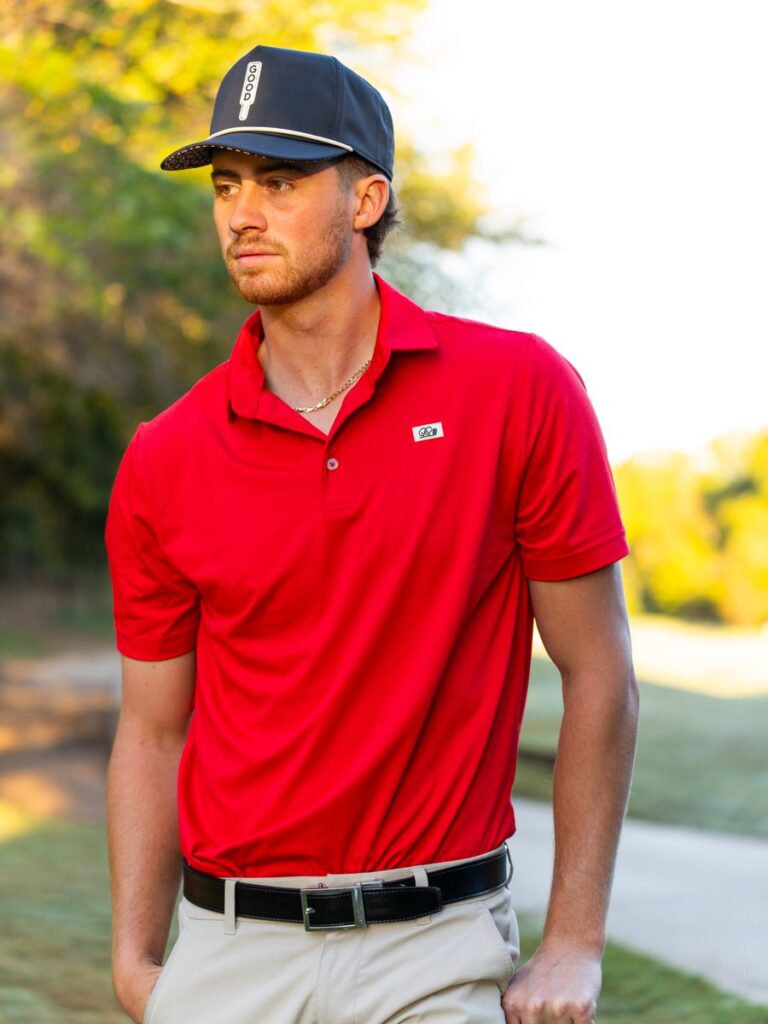
Garrett Clark has finally addressed the controversy surrounding Good Good Golf after a promotional video involving the co-founder triggered widespread backlash and put the popular golf content brand under intense scrutiny.
Clark spoke publicly in an extended video apology, acknowledging his role in the advertisement and admitting that the criticism directed at Good Good was justified.
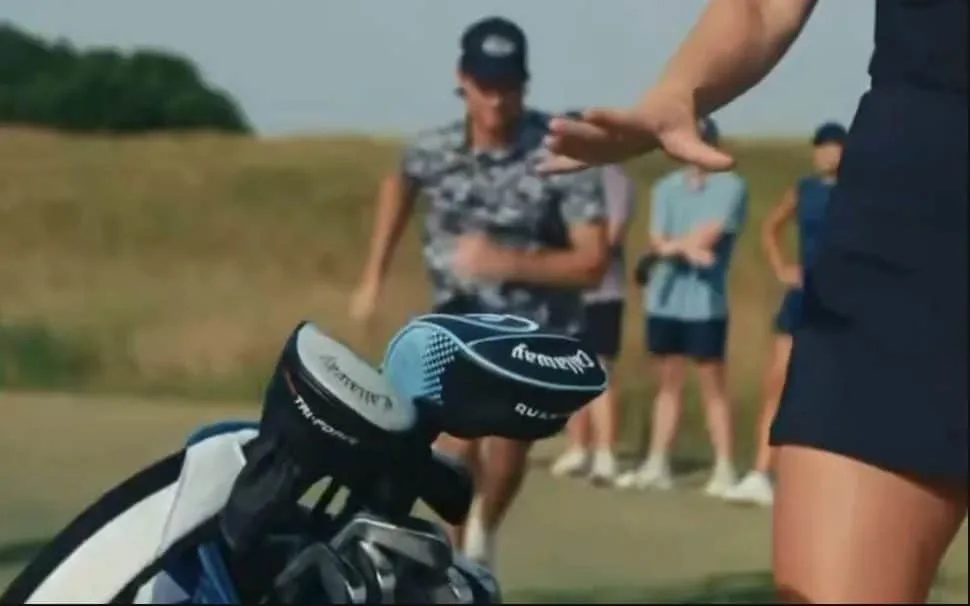
The controversy began after Good Good released a Callaway advertisement featuring Clark and professional golfer Alexis Miestowski. The video showed Clark aggressively pushing Miestowski to the ground after she reached for his new driver before delivering a threatening line.
The advertisement was quickly deleted, but the footage continued to circulate online, leading to criticism from golf fans and prominent figures across the sport.
Clark has now accepted responsibility for his involvement.
“I, personally, want to apologize for playing the role in this skit, in this ad, at the magnitude I did,” Clark said.
He also apologized on behalf of Good Good and its marketing team, stressing that the advertisement did not represent what the company stands for.
Clark explained that the concept was originally presented to the team as a parody inspired by the movie Obsession. The idea was built around an exaggerated character who becomes dangerously obsessed with his golf driver.
However, Clark acknowledged that the concept went badly wrong once it was turned into the finished advertisement.
Good Good’s attempts to promote inclusivity in golf also became part of Clark’s response.
The company launched Good Good Girls to help promote women’s golf and encourage more young women to participate in the sport. Clark admitted that the controversial advertisement directly conflicted with that objective.
“We do a multitude of things within our company to promote women’s side of the game,” Clark said. “Good Good messed up by promoting a very poor taste ad that was not good in any way, shape or fashion.”
The fallout has now gone far beyond social media criticism.
Callaway has ended its relationship with Good Good, effective immediately, and announced a $1 million commitment to organizations working to prevent violence against women and support survivors.
Major retailers have also pulled Good Good merchandise, while the Golf Channel postponed the premiere of its Big Break x Good Good series amid the growing controversy.
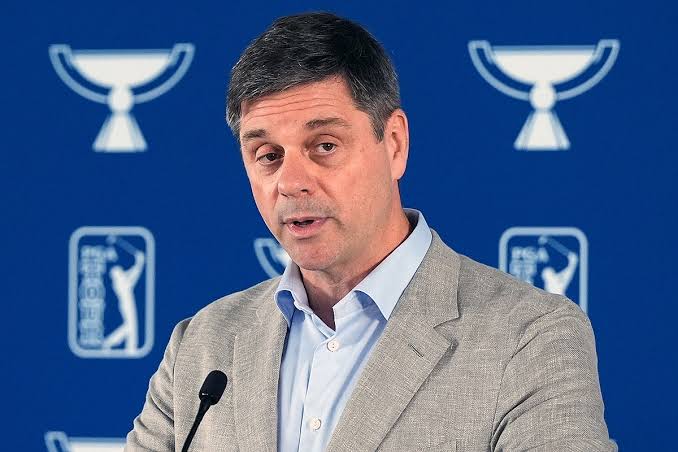
The PGA Tour has also criticized the situation, with CEO Brian Rolapp describing the advertisement and Good Good’s initial response as concerning and inconsistent with the Tour’s values.
For Clark, the focus now appears to be on accepting responsibility and trying to move forward.
He asked viewers to forgive both himself and Good Good while expressing hope that the company can learn from the controversy and continue its work to grow women’s golf.
The incident has undoubtedly created one of the most serious challenges Good Good has faced since becoming one of the biggest golf-content brands online. What happens next could determine how successfully Clark and the company are able to rebuild trust with fans, partners and the wider golf community.