LIV Golf’s ambitious attempt to reshape professional golf has reached a dramatic conclusion after a proposed $300 million rescue package fell apart, with Bryson DeChambeau among several high-profile players reportedly unwilling to commit to the league’s planned relaunch.
What initially appeared to be another difficult chapter for the Saudi-backed circuit has now become something far more significant.
On Thursday, November 5, 2026, LIV Golf confirmed that it intends to wind down its operations after failing to secure an agreement with prospective investor BC Partners Credit.
The announcement marks the end of the league’s immediate hopes of returning in 2027 under a revamped structure known as LIV 2.0.
DeChambeau’s Change of Direction Raises Questions
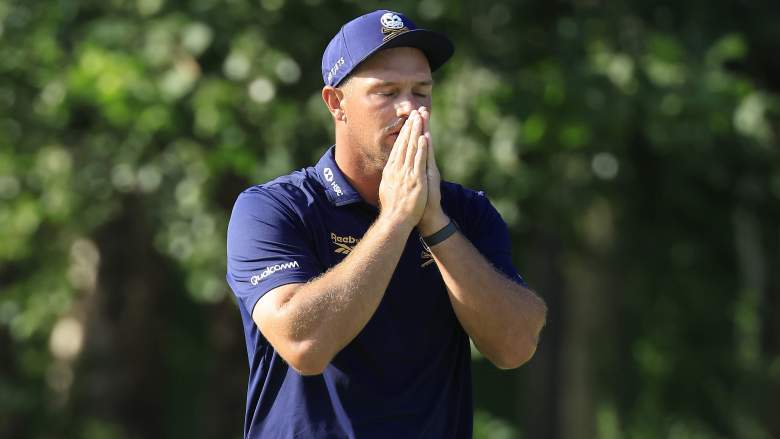
Bryson DeChambeau’s reported decision not to commit to LIV Golf’s proposed relaunch has attracted particular attention because of his previously positive comments about the competition’s future.
The two-time major champion had recently expressed optimism about the possibility of developing a more sustainable, player-focused league.
During an interview with entrepreneur Raj Shamani, DeChambeau discussed how a restructured competition could provide golfers with greater influence over business decisions while reducing dependence on enormous signing bonuses.
He also revealed that his Crushers GC team had generated approximately $29 million in revenue against $21 million in expenses, suggesting that individual franchises could operate profitably under the right conditions.
However, despite those encouraging remarks, DeChambeau was reportedly among the major players who did not sign new agreements for LIV 2.0.
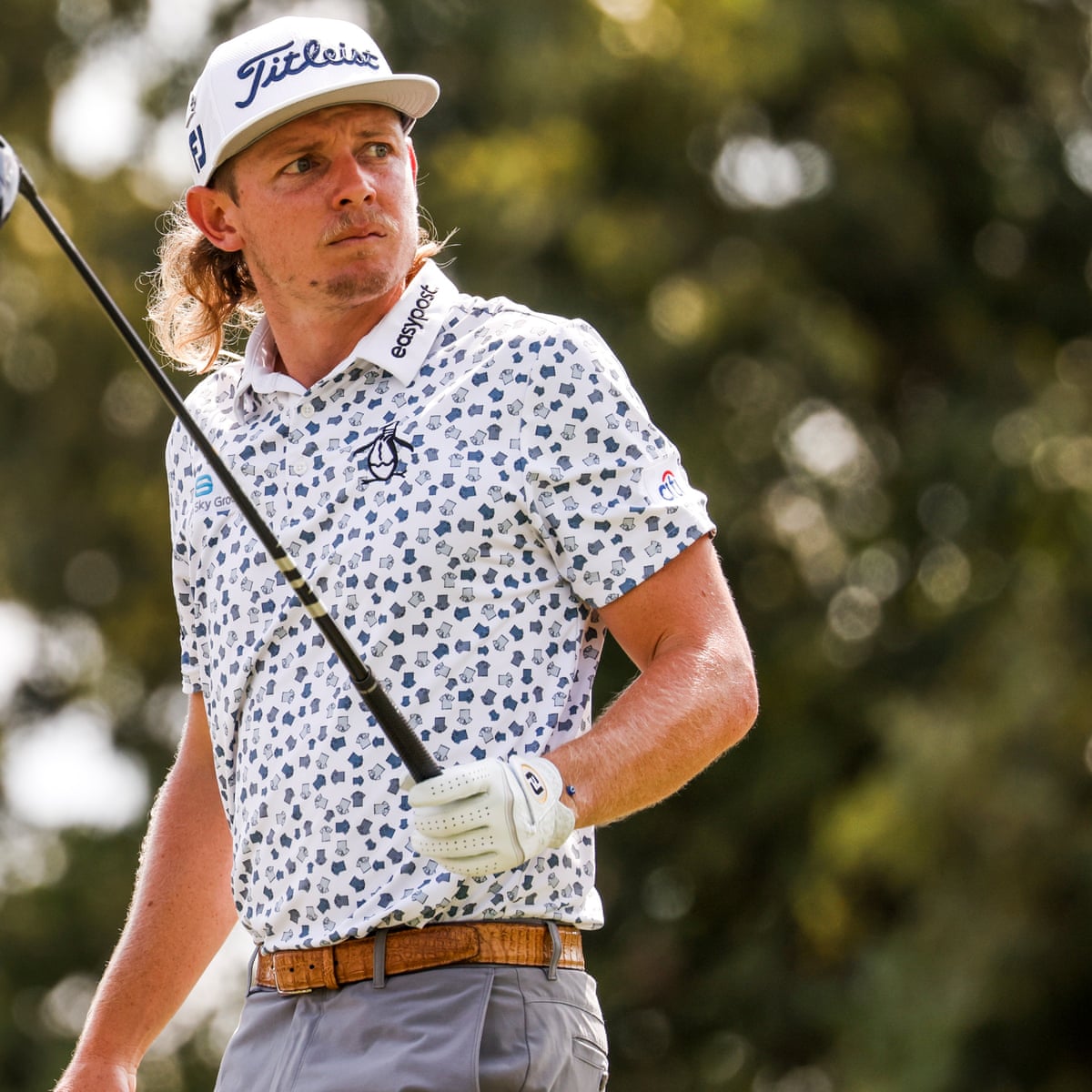
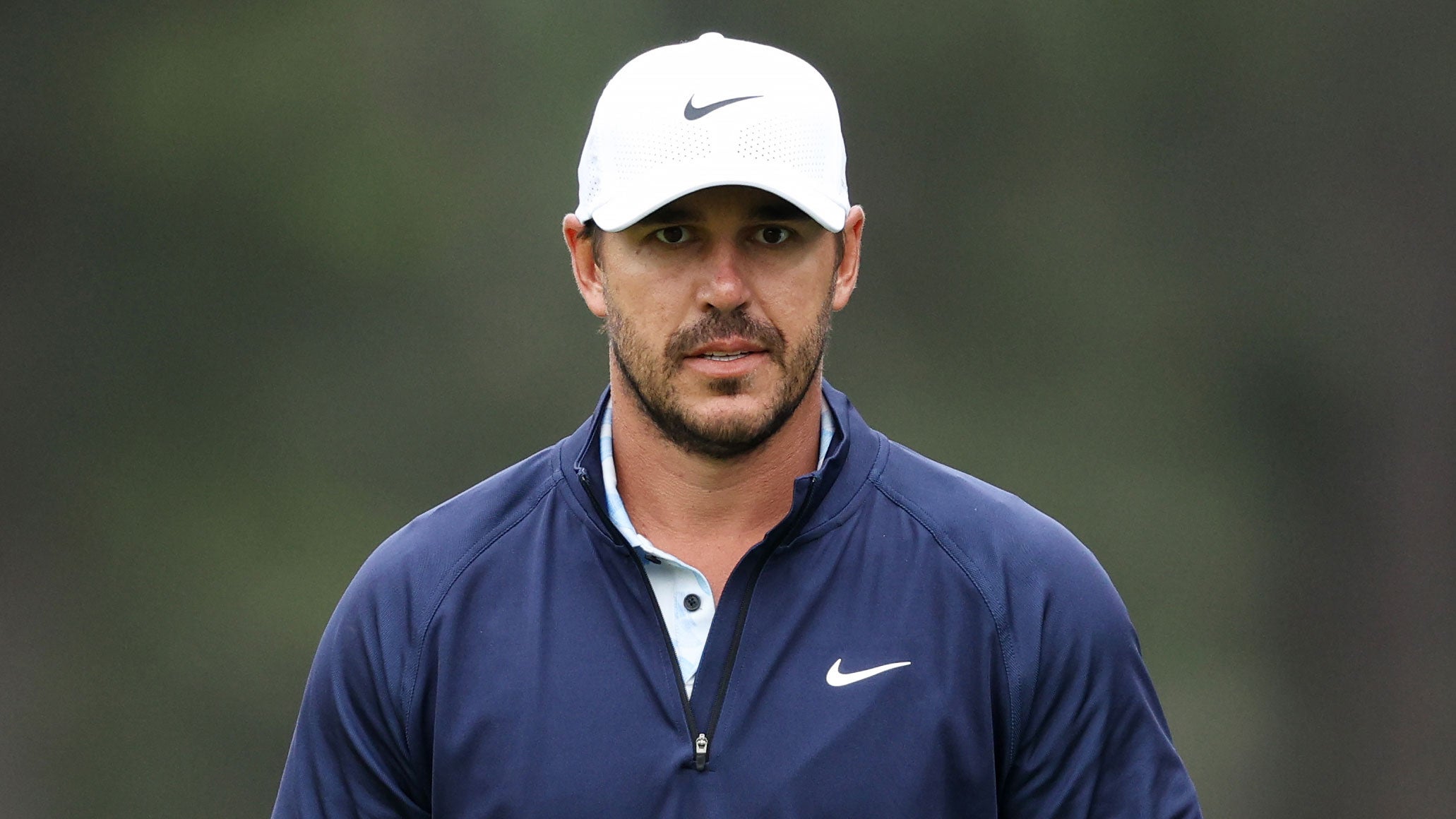
Dustin Johnson, Cameron Smith and Joaquin Niemann were also named among those who failed to commit.
The contrast between DeChambeau’s earlier optimism and his reported reluctance to sign has raised questions about whether the proposed financial arrangements offered sufficient incentives for the league’s biggest stars. His personal reasons for not committing have not been publicly established.
Why the $300 Million Rescue Deal Collapsed
LIV Golf had been working to secure new financial backing after Saudi Arabia’s Public Investment Fund announced it would stop supporting the competition beyond 2026.
BC Partners Credit emerged as a potential investor, offering financing of up to $300 million to help establish a more commercially sustainable version of LIV Golf.
The proposed restructuring would have given players ownership interests in the competition and its teams.
However, the investment depended on securing sufficient commitments from professional golfers.
Although approximately 30 players reportedly supported the proposed structure, negotiations with several prominent names proved unsuccessful.
With no agreement reached on essential terms, BC Partners withdrew its support, leaving LIV Golf without the financial backing necessary to proceed.
In a statement following the collapse, BC Partners expressed disappointment that the stakeholders could not reach mutually acceptable terms.
The failed negotiations effectively ended the proposed 2027 relaunch.
LIV Golf Confirms Plans to Shut Down
The uncertainty surrounding LIV Golf’s future was resolved during a bankruptcy court hearing in New Jersey on November 5.
Representatives confirmed that the organization would abandon its restructuring plans and transition toward an orderly wind-down.
LIV Golf subsequently issued an official statement confirming that its restructuring agreement with BC Partners had been terminated.
The company explained that the decision followed unsuccessful negotiations over the proposed transaction.
While LIV Golf remains open to third-party offers that could maximize the value of its remaining assets, its planned return as a reorganized professional golf circuit is no longer moving forward.
The formal liquidation process remains subject to bankruptcy court proceedings.
A Multibillion-Dollar Golf Experiment Comes to an End
Launched in 2022, LIV Golf entered professional golf with an aggressive strategy designed to challenge the PGA Tour’s long-standing dominance.
Its approach included enormous player contracts, lucrative tournament purses and a team-based competition format.
Major champions such as Phil Mickelson, Brooks Koepka, Dustin Johnson and Bryson DeChambeau became central figures in the competition.
However, the project also created considerable division within professional golf.
Players who joined LIV faced suspensions from the PGA Tour, while legal disputes and disagreements over the sport’s future intensified.
Saudi Arabia’s Public Investment Fund ultimately committed more than $5 billion to the project.
Despite attracting notable players, international audiences and commercial partners, LIV struggled to establish a financially sustainable business model independent of its original backer.
The withdrawal of Saudi funding, followed by the collapse of the proposed rescue investment, proved decisive.
What Happens Next for Bryson DeChambeau?
With LIV Golf preparing to cease operations, attention now turns to the professional futures of its remaining players.
DeChambeau remains one of golf’s most recognizable personalities, having developed a substantial following through his major championship performances and online content.
His next career move will be closely watched, particularly as several former LIV players explore opportunities to compete on established professional tours.
However, any potential PGA Tour return would depend on applicable eligibility requirements and the tour’s policies concerning former LIV competitors.
DeChambeau has not publicly confirmed his next destination.
For the wider sport, LIV Golf’s collapse could create opportunities for greater stability after several years of commercial rivalry and fractured relationships.
Nevertheless, questions remain about how returning players will be accommodated and whether any elements of LIV’s team-based format will survive through other competitions.
Final Thoughts
Bryson DeChambeau’s reported refusal to commit to LIV 2.0 represents one of the most striking developments in the collapse of LIV Golf’s proposed rescue.
Yet the league’s downfall cannot be attributed to a single player.
The combination of declining financial support, unsuccessful negotiations and uncertainty surrounding its leading golfers ultimately made the proposed relaunch unworkable.
After billions of dollars in investment and years of attempting to transform professional golf, LIV Golf is now preparing to close a controversial chapter in the sport’s history.
The biggest question is no longer whether LIV Golf can survive, but what its collapse will mean for the future of professional golf and the stars who helped build it.