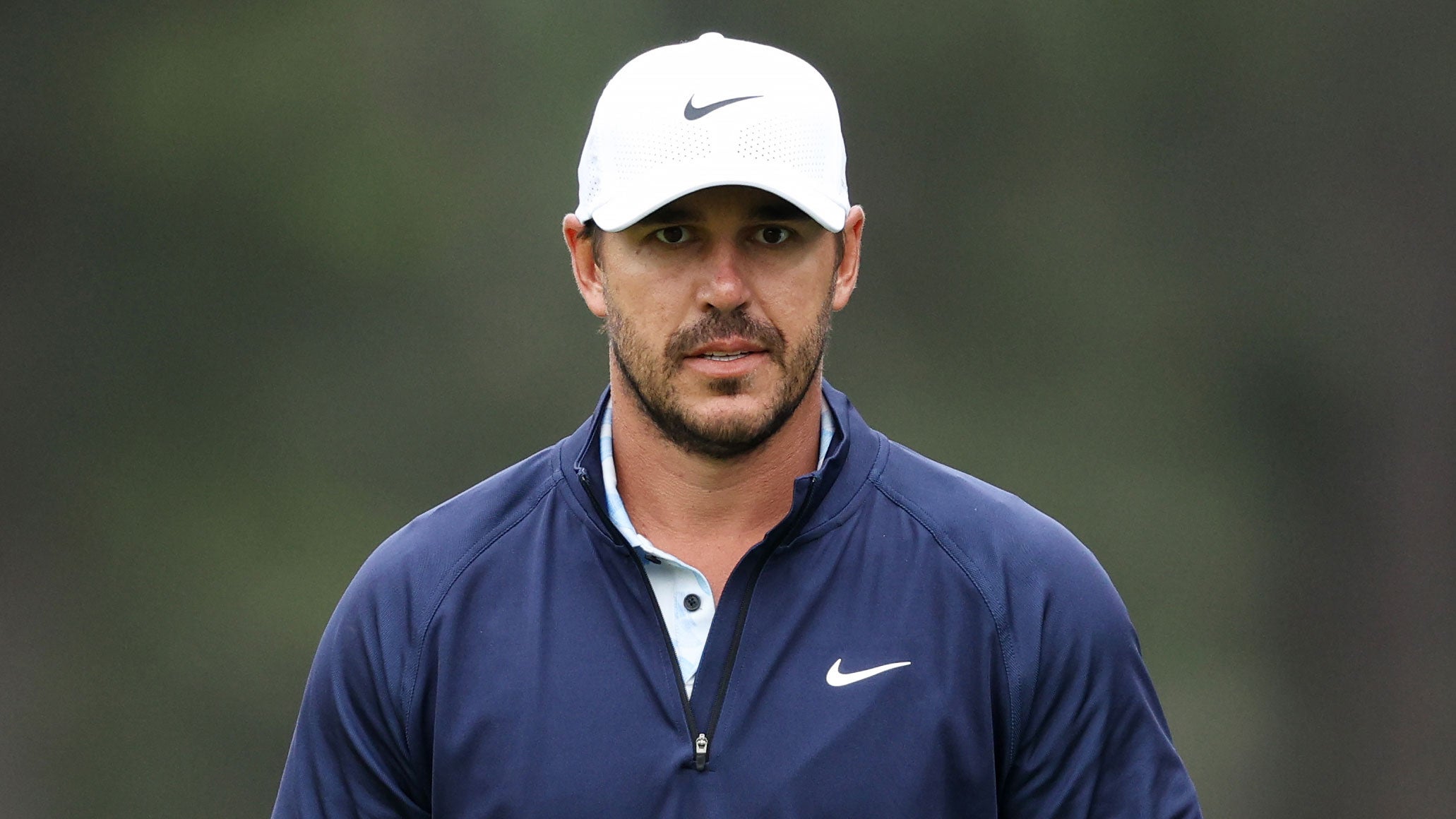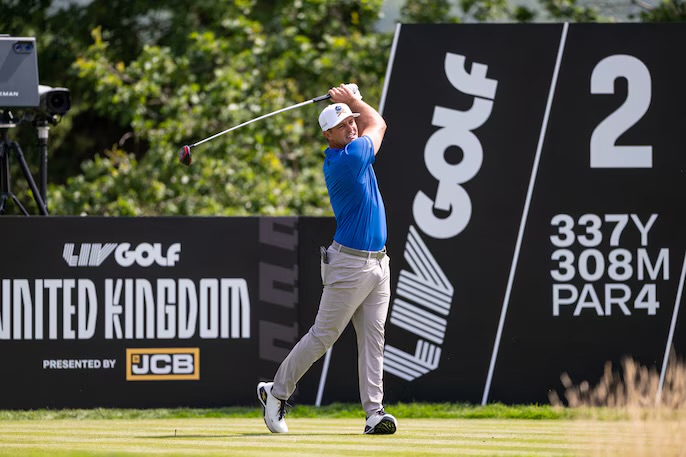
LIV Golf has officially announced it will shut down after five turbulent years, bringing an extraordinary end to the Saudi-backed competition that spent more than A$7 billion attempting to revolutionise professional golf.
The shocking announcement came on Thursday, November 5, after investment firm BC Partners Credit withdrew its proposed US$300 million (A$430 million) rescue package, ending hopes of relaunching the competition in 2027.
Why LIV Golf Is Shutting Down
LIV Golf’s financial troubles intensified after Saudi Arabia’s Public Investment Fund withdrew its backing earlier this year.
The league subsequently filed for bankruptcy protection in September, hoping to emerge with a revamped competition known as LIV 2.0.
However, negotiations with several leading players failed to produce the commitments needed to secure new investment.
Major stars, including Jon Rahm, had already walked away, while Bryson DeChambeau and Cameron Smith had not publicly committed to the proposed relaunch.
With BC Partners withdrawing its support, LIV Golf confirmed it would begin winding down operations and liquidating its remaining assets.
What Happens to DeChambeau and Cameron Smith?
The collapse has left several of golf’s biggest names facing uncertain futures.
According to Fox Sports, DeChambeau could receive a pathway back into European competition through the DP World Tour, thanks to his 2024 US Open victory.
Meanwhile, Australian star Cameron Smith faces uncertainty over his next destination, with a potential return to the PGA Tour complicated by eligibility restrictions.
Former LIV star Jon Rahm has already committed to competing on the DP World Tour in 2027.
The End of Golf’s Billion-Dollar Experiment
Launched in 2022, LIV Golf attracted major champions with enormous signing bonuses and prize money, creating one of the biggest divisions in professional golf history.
Despite spending more than US$5 billion (approximately A$7 billion), the competition struggled to establish a sustainable future without Saudi financial support.
Its closure brings an end to a controversial chapter in golf, leaving questions about the future of its players and the sport’s competitive landscape.
After five years, billions in investment and countless controversies, LIV Golf’s ambitious challenge to traditional professional golf has officially come to an end.