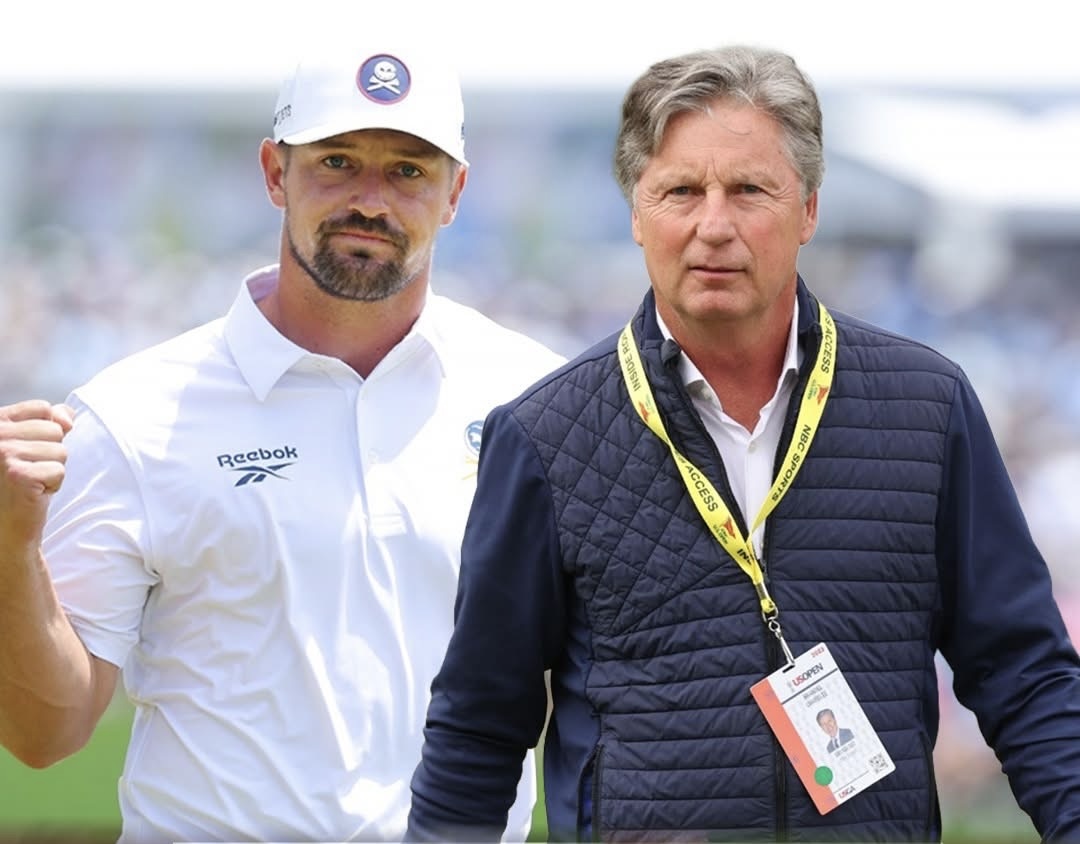
Brandel Chamblee has delivered a stinging assessment of LIV Golf’s collapse, turning his attention to the players he believes played a major role in derailing the league’s proposed LIV 2.0 relaunch.
The Golf Channel analyst questioned whether the players ever truly believed in the future of the breakaway circuit, particularly after discussions around a new ownership structure failed to produce the support needed to move the project forward.
Chamblee focused on the proposed arrangement that would have given players a combined 52.5 per cent ownership stake in LIV Golf. Rather than viewing the opportunity as a chance to take control of the league’s future, he argued that their reluctance to accept the arrangement exposed a lack of confidence in the business.
“When you start to look at the players starting to want to take debt for equity, speculative ownership, they were going to have 52.5 per cent ownership going forward. And the fact that they were unwilling to take on that ownership tells you that they did not even have any belief that they, as a group of players, could make this work,” Chamblee said.
His criticism did not stop there. Chamblee also questioned the players’ perception of their own market value, suggesting that their financial expectations were far removed from what potential investors were prepared to support.
In one of his sharpest remarks, he compared the players’ perceived value to properties in two very different markets.
“They all thought that they were beachfront property in Malibu, and the market was telling them, no, you’re timeshares in Toledo. And maybe, finally, they’ve got a slap in the face of reality.”
The comments come as LIV Golf’s attempt to secure a new financial future has unravelled. The proposed LIV 2.0 model was expected to give players a greater ownership role and provide a route towards a more sustainable business structure.
However, the failure to reach an agreement on the proposed investment left the league facing a very different future, with an orderly wind-down of operations announced after the restructuring plans collapsed.
For Chamblee, the situation represents more than the failure of a rival golf league. His argument is that the players who stood to benefit from ownership were unwilling to accept the financial risk that came with it.
Whether the players share his assessment or not, LIV Golf’s collapse has left serious questions about the league’s business model, the value of its player contracts and what comes next for those who built their careers around the breakaway tour.