LIV Golf players hoping to return to the PGA Tour could face a much tougher challenge than simply walking away from the Saudi-backed league, with new eligibility rules making it clear that previous membership will not guarantee an immediate comeback.
As uncertainty surrounding LIV Golf continues, PGA Tour CEO Brian Rolapp has outlined the conditions players must satisfy before they can be considered for a return.
The Tour has already ruled out reopening the special Returning Member Program that allowed Brooks Koepka to regain membership earlier this year. Instead, former LIV players will be expected to follow established eligibility procedures and demonstrate that they deserve a place through their performances.
One of the biggest obstacles concerns their existing contractual obligations.
Rolapp has insisted that any player seeking to return must first demonstrate that they are completely free from their LIV Golf commitments, including any outstanding contractual obligations connected to the league.
“Anyone who’s interested in coming to the PGA Tour needs to demonstrate that they are relieved of their contractual commitments or any tail obligations they might have in that legacy model,” Rolapp explained.
The PGA Tour boss has also emphasised three important principles guiding the organisation’s approach: meritocracy, respect for membership rules and accountability.
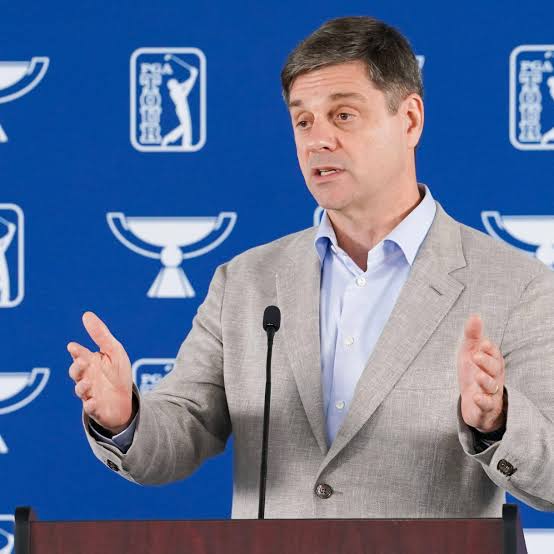
“The PGA Tour is built on meritocracy,” Rolapp said.
“Every player, whether they’re already here or they’re trying to be here, they’re going to earn a place based on their performance and on their success.”
His comments suggest that former LIV players should not expect special treatment simply because the rival league is experiencing financial difficulties.
NO SECOND BROOKS KOEPKA-STYLE DEAL
Koepka remains the only former LIV player to have accepted the PGA Tour’s Returning Member Program, which was introduced in January 2026.
The five-time major champion agreed to significant financial and competitive restrictions, including a $5 million charitable contribution, a five-year forfeiture of potential player equity benefits and exclusion from the 2026 FedExCup bonus pool.
He was also prohibited from receiving sponsor exemptions into Signature Events and had to earn his way into those tournaments through existing qualification routes.
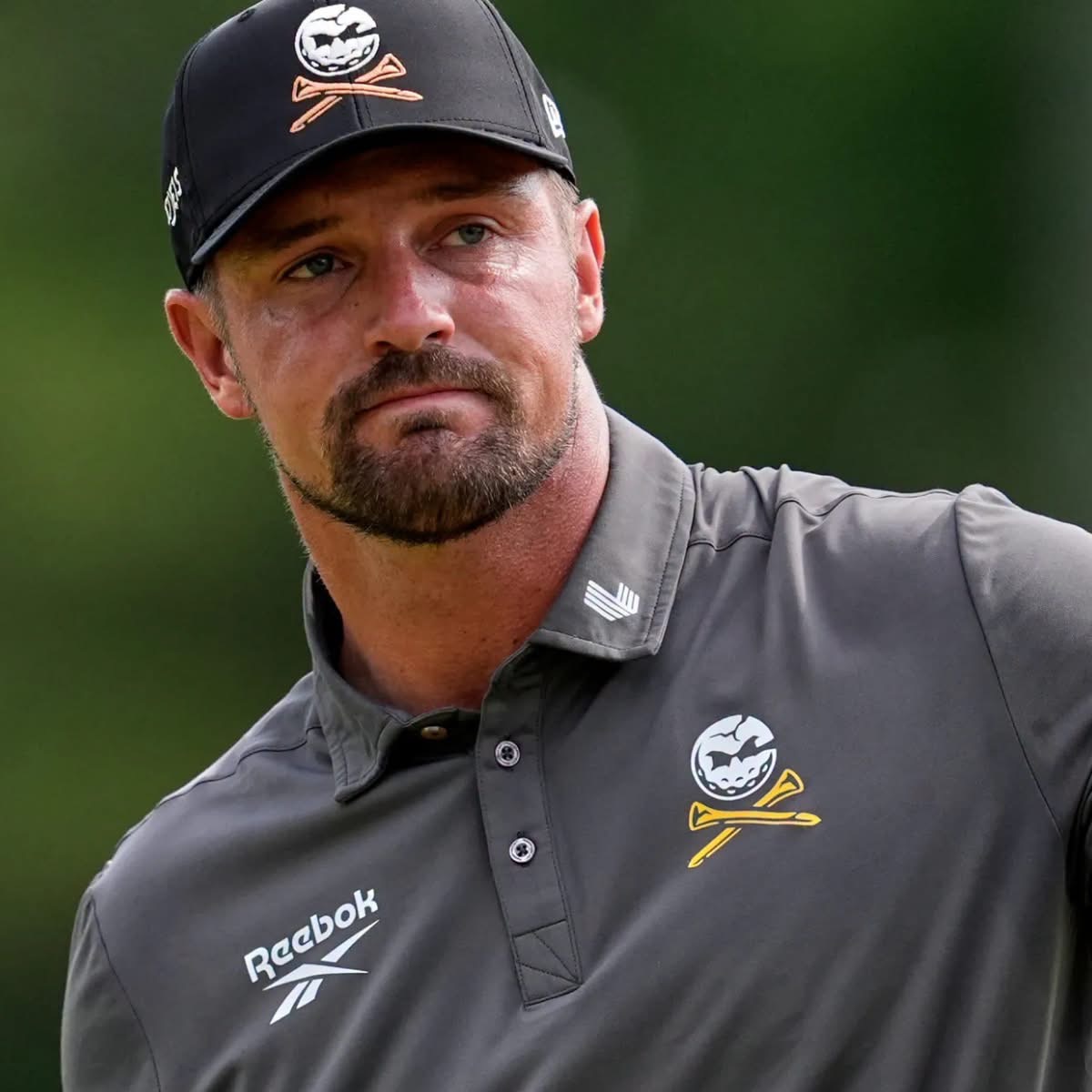
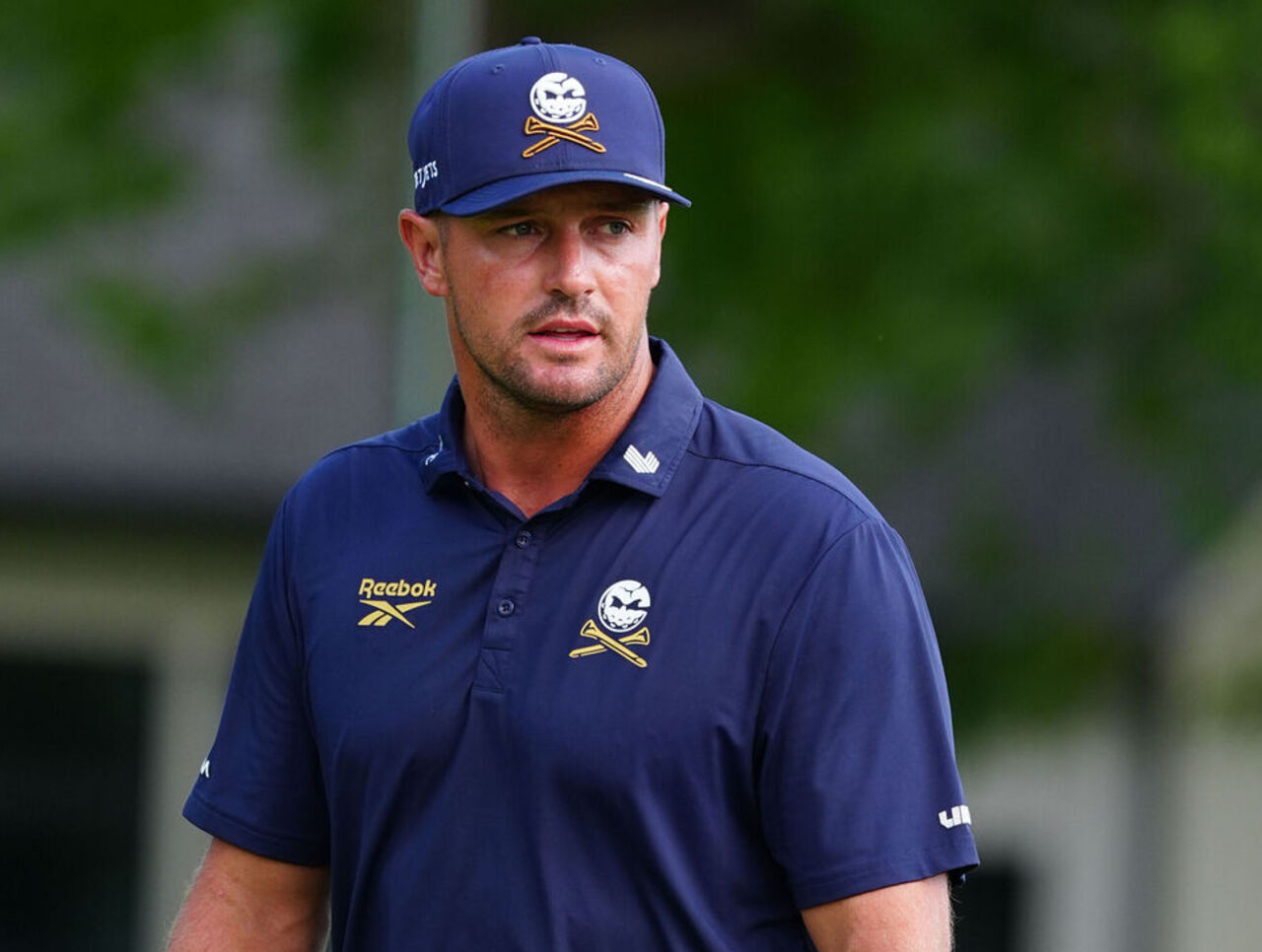
Jon Rahm, Bryson DeChambeau and Cameron Smith were also offered the opportunity but declined.
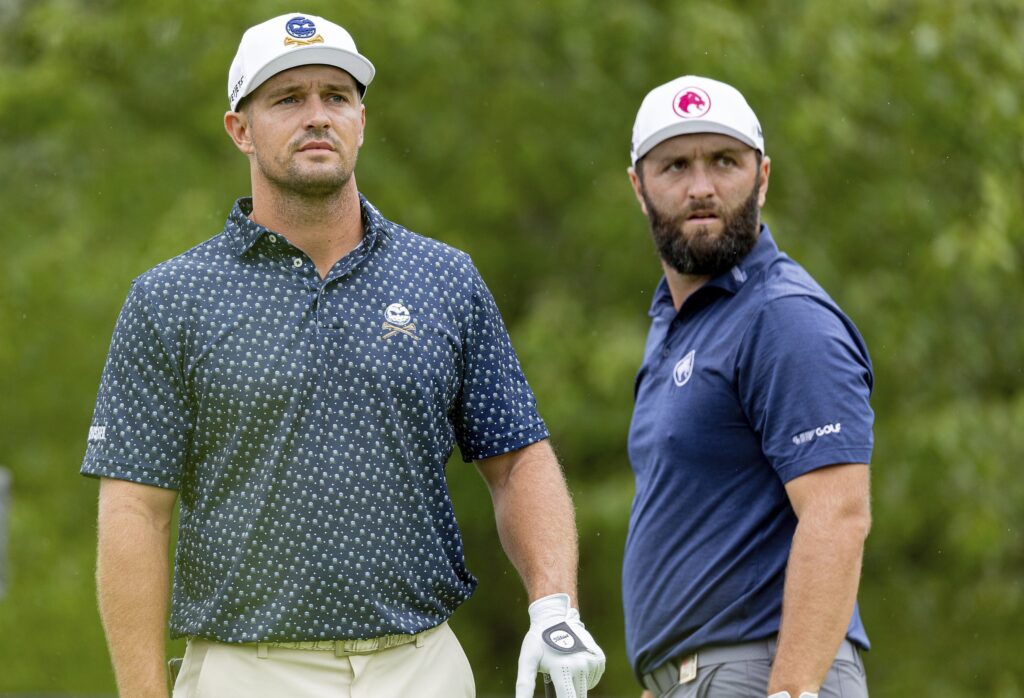
Rolapp has since confirmed that the PGA Tour has no current plans to revive the programme, meaning other former LIV players cannot assume they will receive the same arrangement.
QUALIFYING THROUGH EXISTING ROUTES
The Tour’s revised competitive structure, scheduled to begin in 2028, also reinforces its emphasis on earning membership through performance.
Under the eligibility framework outlined for the new system, former LIV players who do not qualify for a special reinstatement arrangement could face a one-year probationary period before pursuing membership through PGA Tour Q-School.
They must also comply with the Tour’s rules regarding unauthorised events during that period.
This leaves players such as Rahm, DeChambeau, Dustin Johnson and Smith facing difficult decisions about their professional futures.
The PGA Tour has also indicated that any potential return will be considered individually rather than through a blanket arrangement for former LIV members.
Recent reports suggest the organisation will delay broader decisions on LIV players’ return until the league’s Chapter 11 bankruptcy proceedings have concluded, with the process expected to continue into at least January 2027.
For now, the message from Rolapp is clear: leaving LIV Golf will not automatically open the door to PGA Tour membership.
Former players will need to resolve their contractual commitments, accept the consequences of previous decisions and prove their ability to earn a place through the established system.