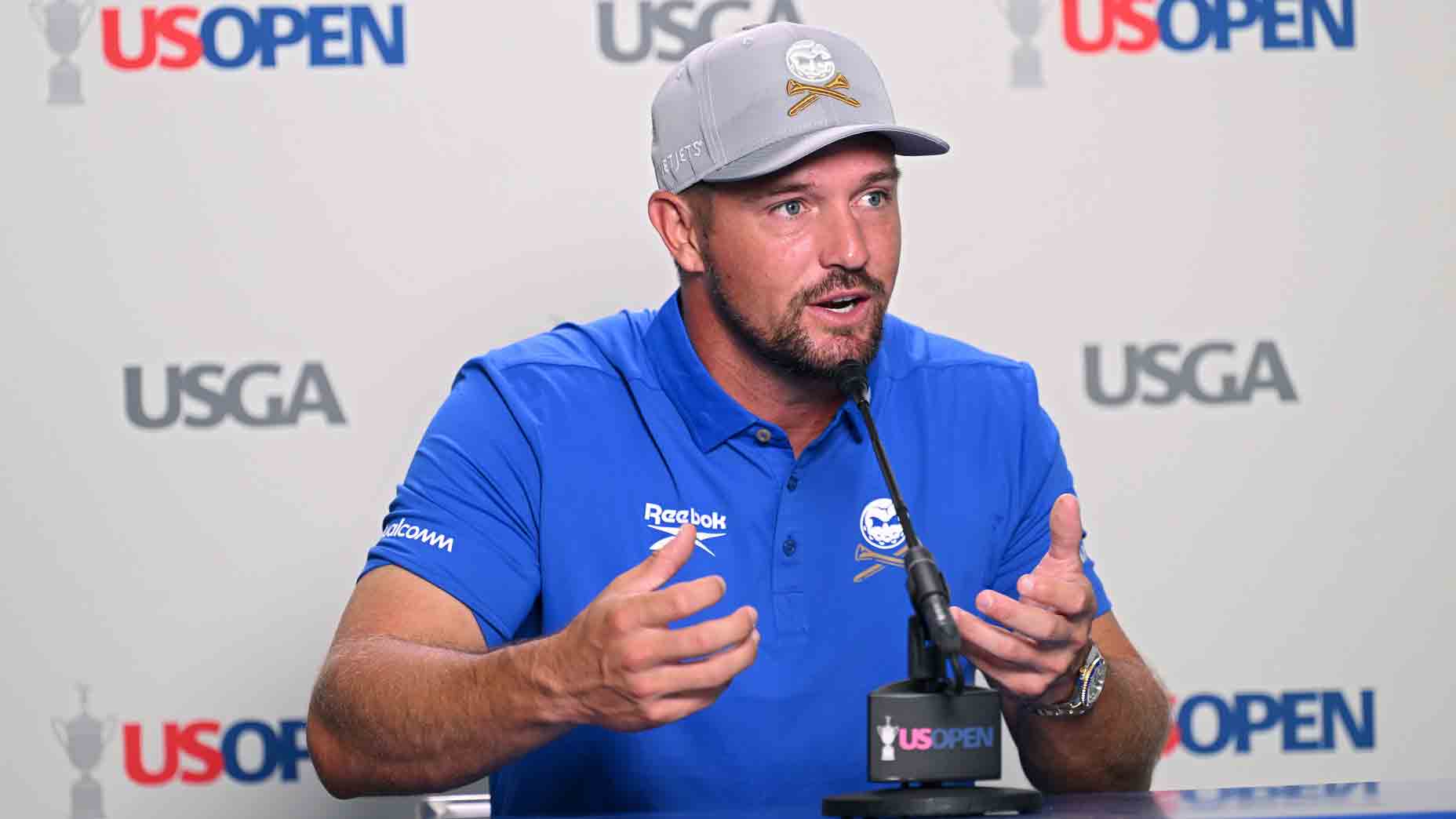
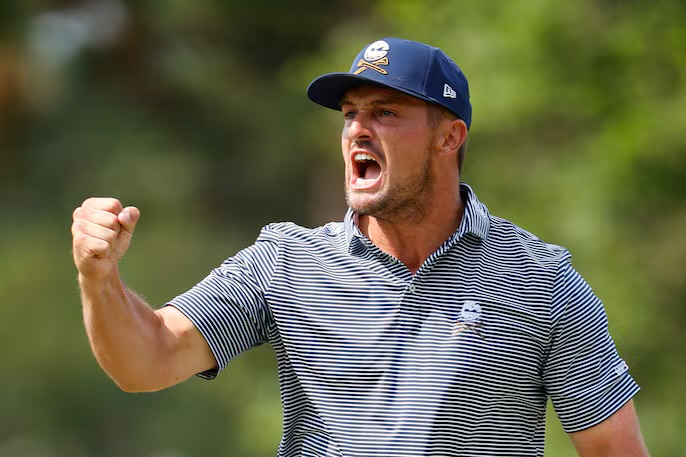
Bryson DeChambeau, known for his scientific approach to golf and explosive driving power, is facing one of the most expensive regrets of his career. Reports have surfaced indicating that the LIV Golf enterprise, which he joined with great fanfare, is now teetering on the brink of bankruptcy. This financial instability has cast a shadow over the $10 million DeChambeau reportedly earned by joining the Saudi-backed tour.
The $10 million signing bonus, once viewed as a lucrative reward for leaving the PGA Tour, is now under scrutiny as the future of LIV Golf becomes uncertain. Analysts suggest that DeChambeau—and other high-profile players—may see a significant portion of their earnings affected if the organization collapses or is forced to restructure. While LIV Golf promised record-breaking payouts and a chance to revolutionize professional golf, the reality now presents a cautionary tale about chasing short-term gains in a volatile sporting landscape.
DeChambeau, who has openly discussed his ambition to dominate both on the course and in earnings, now faces a tough decision. Will he seek to return to the PGA Tour, where his legacy is firmly established, or attempt to salvage his position within LIV Golf’s uncertain future?
This development is emblematic of the wider turbulence surrounding LIV Golf. Several key players have reportedly expressed frustration over delayed payments and the tour’s financial mismanagement, and DeChambeau’s situation highlights just how quickly fortunes can shift in professional sports when organizational stability falters.
As the golf world watches closely, DeChambeau’s $10 million decision could ultimately serve as a lesson in risk, timing, and the unpredictability of modern sports ventures. For now, fans and insiders alike are left wondering if the “Mad Scientist” of golf will recalibrate his strategy—or pay the price for one of the costliest moves of his career.